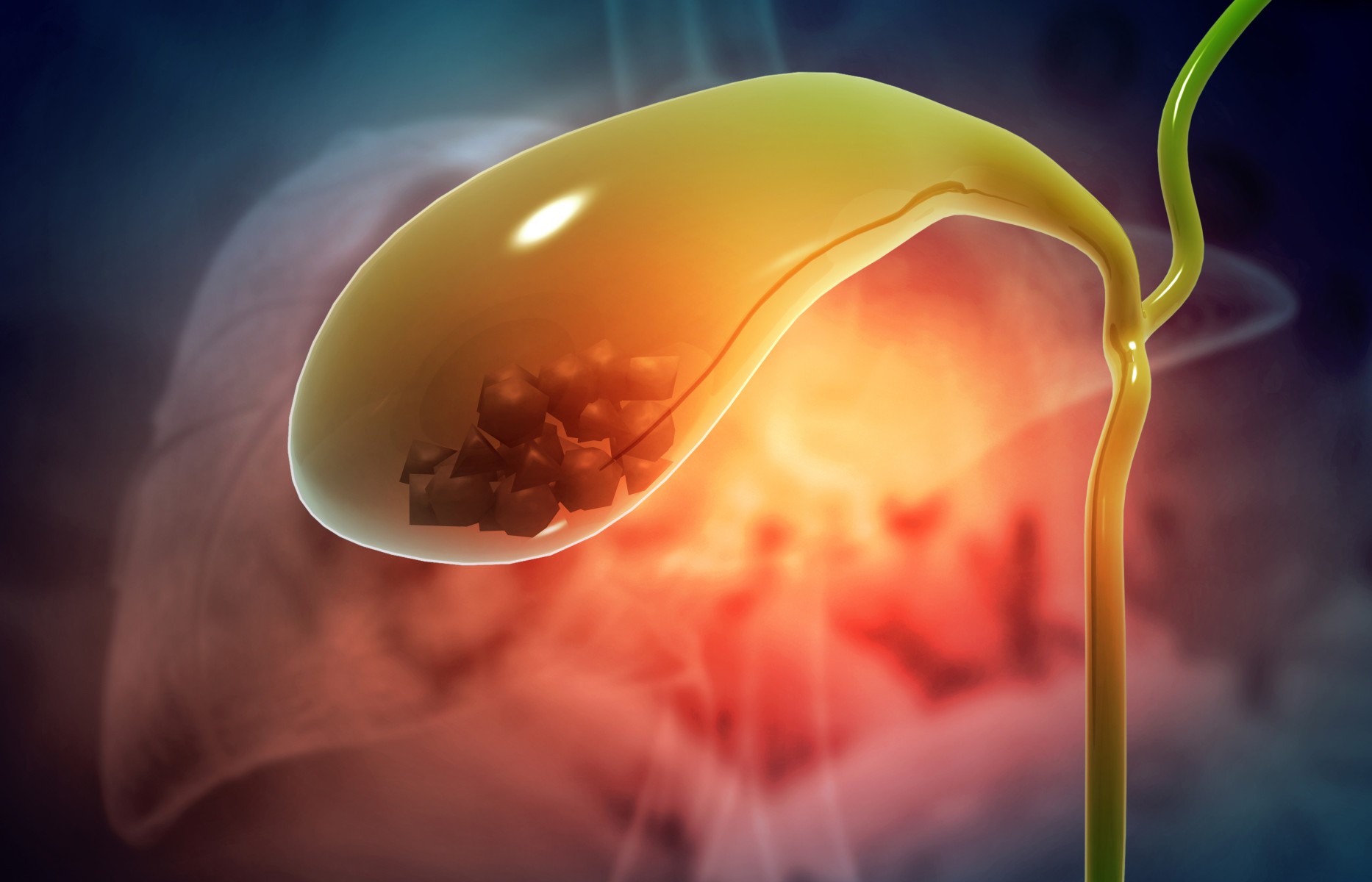
Direct Clinical Answer: Gallbladder conditions, including cholelithiasis (gallstones) and cholecystitis, stem from imbalances in bile composition and motility. While mild cases may intermittently fluctuate, symptomatic gallstones do not permanently dissolve with medication. Laparoscopic cholecystectomy remains the gold standard, offering definitive relief, minimal tissue trauma, and rapid recovery.
- Clinical Origin: Gallstones form from crystallized cholesterol or bilirubin, frequently obstructing cystic duct flow and causing postprandial discomfort.
- Symptom Profile: Hallmark signs include right upper quadrant pain, nausea, fatty food intolerance, and abdominal bloating.
- Definitive Management: Minimally invasive laparoscopic removal eliminates recurrent stone formation and severe biliary pancreatitis risks.
- Surgical Expertise: Evaluated and performed by Dr. Aloy Mukherjee at Apollo Hospitals Delhi with precision laparoscopic technique.
Managing gallbladder stones is a common health concern, often involving dietary adjustments to alleviate symptoms and prevent further stone formation. Among various dietary recommendations, yogurt consumption is frequently discussed for its potential benefits. This article explores the role of yogurt in managing gallbladder stones, supported by nutritional insights and clinical data.
Nutritional Composition of Yogurt
Yogurt is a dairy product known for its rich content of essential nutrients:
1. Calcium
Vital for bone health and may assist in regulating the body's use of fats.
2. Probiotics
Live bacteria that aid digestion and maintain a healthy gut environment.
3. Protein
Essential for muscle repair and overall health.
The Potential Benefits of Yogurt for Gallbladder Health
Bile Regulation: Yogurt's calcium can help bind to bile acids, potentially reducing the formation of gallstones.
Digestive Health: Yogurt's probiotics can improve gut health, which is crucial since poor digestion can exacerbate gallbladder issues.
Fat Digestion: Yogurt has a moderate fat content that can stimulate the gallbladder to contract, helping to clear out bile accumulations that could form stones.
Clinical Studies and Research
Several studies suggest that a diet rich in calcium and probiotics can reduce the risk of gallstone formation. However, the direct impact of yogurt on existing gallstones requires more research.
Recommended Consumption
While yogurt can be part of a gallstone management diet, it should be consumed in moderation:
Type of Yogurt: Opt for low-fat or non-fat options to avoid excessive fat intake.
Quantity: Regular, moderate consumption is recommended, avoiding large quantities that might stress the gallbladder.
Call to Action
Incorporating yogurt into your diet might be a step forward in managing your gallbladder stones, but ensuring that it fits into a comprehensive health plan is essential. Don't let gallstones control your life. Learn more about how dietary changes can complement medical treatments. Visit our Gallbladder Stone Surgery page to explore options or schedule a consultation today. Stay proactive about your digestive health and get expert care tailored to your needs!